
Most plant feeds guess. We ferment.
Here's what's actually in a typical synthetic feed — and why we do it differently.
Acid-digested minerals vs. natural microbial breakdown.
Acid vs. natural microbial breakdown.
Synthetic fertiliser is made by dissolving mined rock in sulphuric or phosphoric acid, then crystallising the result into soluble salts.
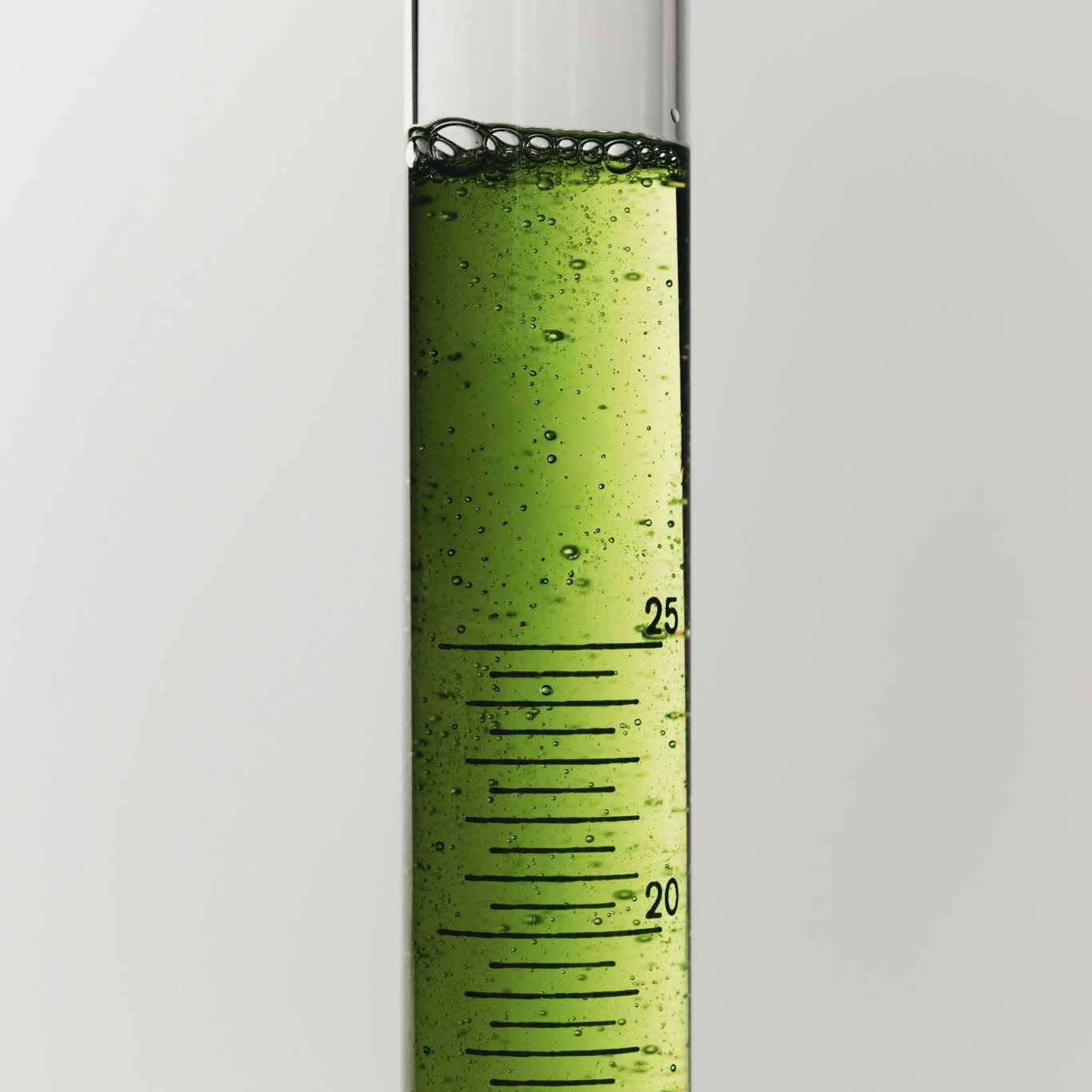
NPOK is made by fermentation — nitrogen, phosphorus and potassium each broken down biologically, not chemically.
Salt Stacking & Root Health
Salt stacking causes pH shock and nutrient lockout.
NPOK avoids both.
Synthetic feeds are built from free salts. Used repeatedly, those salts accumulate in soil, spike salinity at the root zone, and can burn roots or lock out other nutrients.
NPOK ferments release nutrients gradually, so there's no spike to stack.
Soil Biology & Water
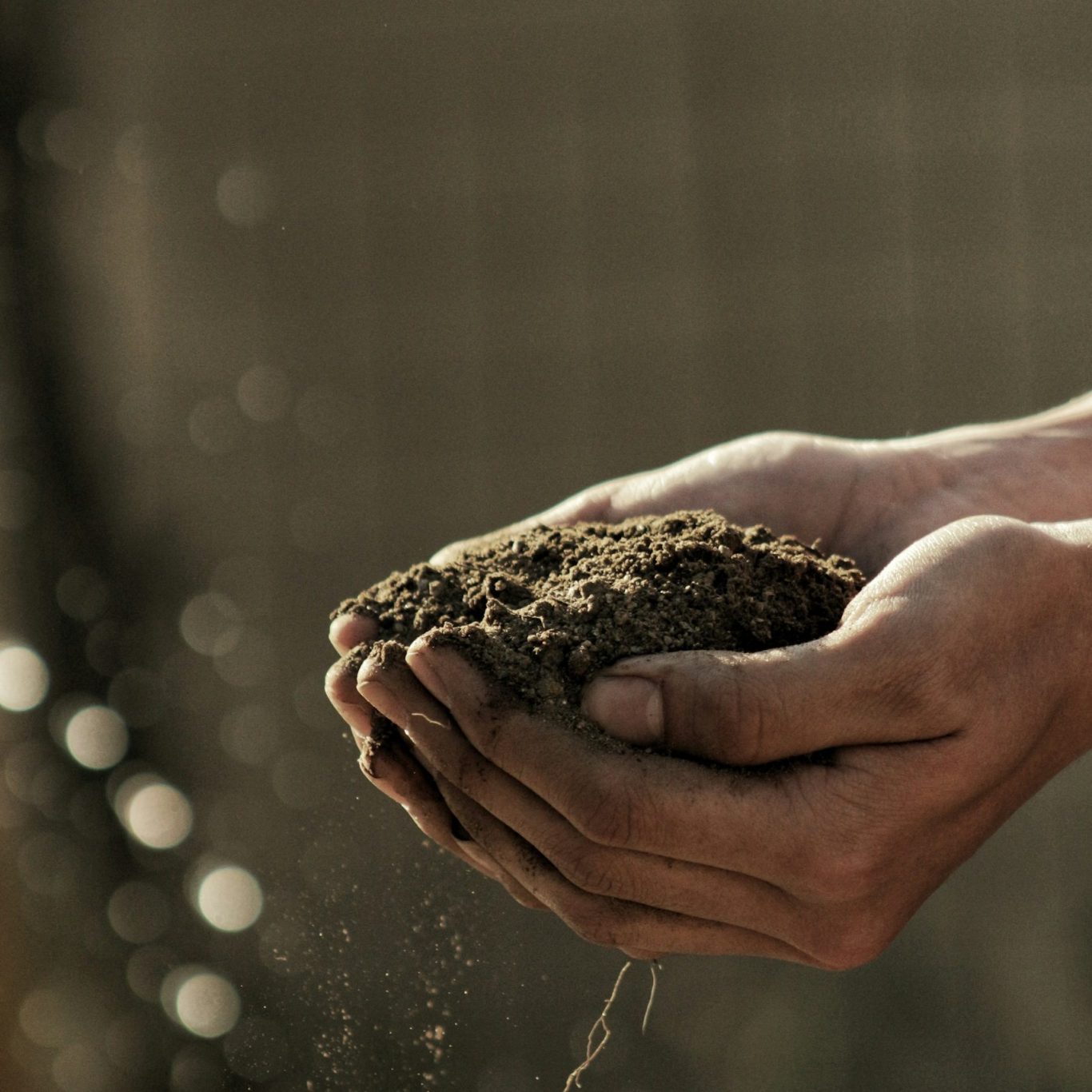
Repeated synthetic fertiliser use is well documented to suppress soil microbial activity and disrupt the biology that keeps soil healthy over time.
And a meaningful share of what's applied never reaches the plant at all — it runs into waterways instead, feeding algal blooms rather than gardens.
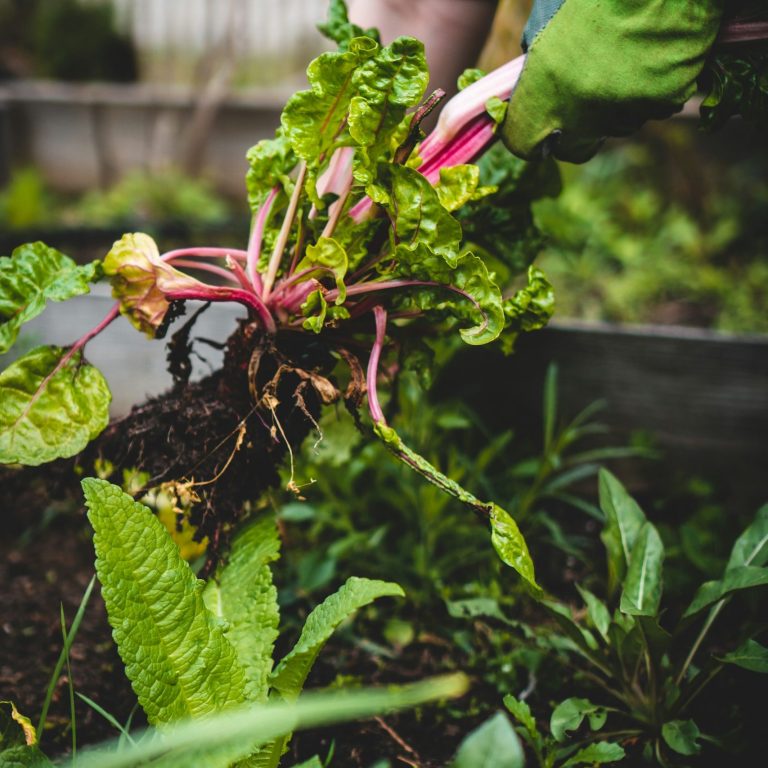
NPOK feeds your soil's biology, not just your plant, and is designed to stay where it's needed.

NPOK! : Nature, bottled
No mined rock. No acid digestion. No fixed formula that assumes every plant is the same.
Nitrogen, phosphorus, potassium and micro-nutrients individually fermented, blended to what your plant actually needs.